Welding Safety Checklist
Welding Safety ChecklistA welding safety checklist protects welders from hazards and keeps them safe while performing any number of duties on the job. Following a safety checklist also helps promote compliance with OSHA safety standards.This guide breaks down the importance of following a checklist and the items that should be included to keep everyone safe during all welding operations. This is a…
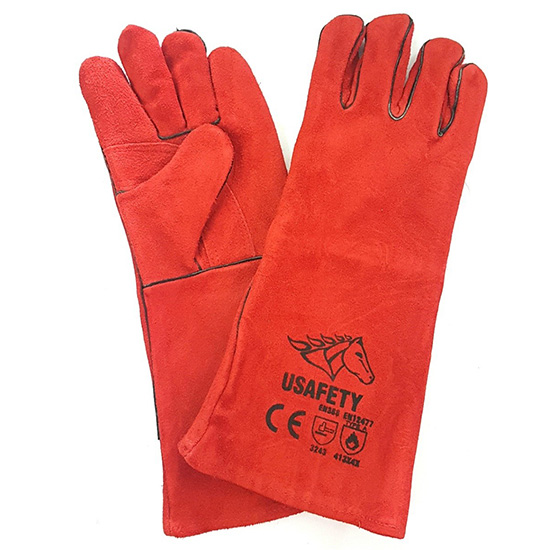
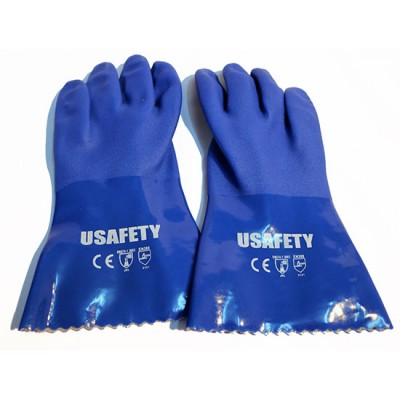
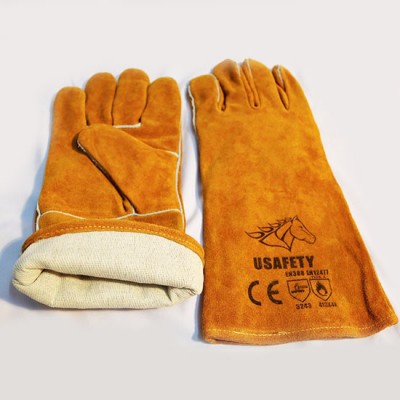
Welding Safety ChecklistA welding safety checklist protects welders from hazards and keeps them safe while performing any number of duties on the job. Following a safety checklist also helps promote compliance with OSHA safety standards.This guide breaks down the importance of following a checklist and the items that should be included to keep everyone safe during all welding operations. This is a good companion to our video-based welding safety program.What Is the OSHA Welding Safety Checklist?The OSHA welding safety checklist helps protect welders on the job. This checklist follows OSHA regulatory standards to protect all welders in a safe working environment.According to OSHA, the employer must train all employees to safely work with different welding, cutting, and brazing tools. They must understand all potential hazards, proper PPE use, and how to handle different materials.All operations equipment must comply with OSHA safety guidelines, and employers must regularly conduct required testing using the approved OSHA welding safety checklist. This includes PPE checks.What Are the Checklists to Use Before Welding?The exact checklist you use will depend on your location and your company’s procedures.High temperatures and flammable gasses are just two dangers encountered by welders. Any safety checklist needs to protect them from these severe risks.In addition to preventing injuries and accidents at work, these rules protect the company from safety violations that can result in fines.Workplace Welding HazardsWelding is a hot job involving electric or gas welding, using a cutting torch, brazing, and flame or spark-producing operations. As a result, employees can be exposed to the following:ExplosionsFiresUltraviolet (UV) radiationElectric shock incidentsToxic environmentsNo matter their title, all employees could be exposed to these hazards. That’s why everyone should be trained to properly handle fuel cylinders, hazardous fumes, inhalation, and the other hazards.Limiting worker exposure to hot hazards is only one part of OSHA’s safety requirements. Under OSHA’s confined space regulations, workers must also limit their exposure to pigments, spray paints, and anything that contains chromium in processes such as welding or cutting.Every hazard comes with strict welding safety rules and equipment that must be followed to protect welders and anyone else on site.Welding Safety Equipment ListPersonal Protective EquipmentWelding is one of the strictest professions when following personal protective equipment (PPE) requirements. The safety equipment that protects welders from dangerous, toxic, and flammable materials is called PPE. Different forms of required PPE included on the checklist are:Welding Helmet with Eye ProtectionWhile welding, protecting the face, eyes, and neck from potential hazards is crucial. Wearing a welding helmet with eye protection will shield the body’s most vulnerable areas from intense light, radiation, flying particles, sparks, and chemical burns.Depending on the type of welding, there are different welding helmets to choose from. The best way to determine which helmet to use is by the lens shade number. This number indicates the light radiation that will pass through the helmet’s filter.Regarding eye protection, goggles, safety glasses, and face shields will help prevent eye damage and loss of vision. Various types of protection are broken down into classes in the CSA and ANSI standards. Each class has a designated purpose and has distinct markings for easy identification.Certain operations require complete face protection using either a helmet or hand shield. For example:Arc weldingPlasma arc cutting and gougingAir carbon cuttingHowever, light intensity is not as high for certain cutting, welding, and brazing types. Therefore, a lighter shade lens can be used with goggles instead of a helmet.Ear Muffs or PlugsFull-cover ear protection is discussed less often but is just as important. Ear muffs or plugs ear protection protect your hearing, but they also prevent sparks and debris from flying into the ear.Welding GlovesHands are the essential tools in welding and are the closest body part to the arc. Wearing flame-resistant gloves that are in good condition decreases exposure to intense heat and radiation.Welding gloves come in various materials, including leather, canvas, and metal mesh. They also come with a range of dexterity levels appropriate for different types of welding.Gloves should:Be insulated and heat resistantCompletely cover hands and wristsFit over or under the jacket arm cuffBe comfortable moving around inHands and wrists are protected from burns, cuts, and scratches with appropriate gloves.Heat Resistant Welder’s Jacket and Welding PantsA heat-resistant welding jacket protects welders from extreme temperatures, sparks, and fire.The pockets should be taped or clamped shut while working to prevent sparks or other debris from flying in and causing injury. The jacket should also properly fit both arm length and torso.Welding pants are also important. They should be cuffless pants because having a cuff at the end of the pant leg hole can cause burning debris to get caught on the cuff and potentially catch fire. Pants should also properly fit over the shoe ankle support.Welding RespiratorWelding emits many fumes and gases. For long-term safety, it’s essential not to breathe in any toxic or harmful gases. A respirator will protect the lungs against anything created or released while working.Welding Work BootsWearing the right pair of welding work boots is also essential. They prevent exposed skin from electric shock, heat, and burns.To meet welding safety standards, the boots must:Have a rubber sole cover past the ankleHave a steel plate above the soleBe flame retardantBe made out of leatherBe slip-resistantA Welding Safety Checklist ExampleBelow is a quick and easy checklist that will prevent serious injury. This checklist is intended to have all the information and tasks required to keep everyone on site safe, regardless of their position.Brief employees on job hazards specific to their tasks.Train employees to accomplish their jobs safely.Verify employees understand which cable with insulation is appropriate for their tasks.Verify workers have read the manufacturer’s instructions, MSDS, and cylinder labels.Prepare a fire watch with working fire extinguishers.Ensure OSHA welding clothing requirements, including PPE, are followed by all employees.Regularly review the welding safety equipment and processes posted on equipment safety lists.Test the atmosphere before working and periodically while employees are working.Verify all equipment is dry before operations begin.Ensure first aid equipment and safety attendants are present and in compliance.Ensure respirators are employed when handling calcium, lead, or other dangerous matter.Verify all flammable objects in the hot work area are covered or removed.Place a fire-resistant shield over walls, floors, and other objects that could catch on fire while working.Close all ducts where sparks can travel.Ensure objects intended to be welded today are grounded separately.How Welders Can Be Protected Every welder can stay safe by following requirements, OSHA standards, and company processes. Welding safety includes wearing regulated protective suits and other standardized PPE and following the items on a comprehensive checklist.A comprehensive checklist will address the OSHA standards discussed here and state or local regulations, company policy, and updated information from OSHA. Training is the most important piece of the safety puzzle. Check out our videos to help get your employees familiar with OSHA rules!