Confined Space Safety Tips – [Quick and Easy for]
Confined Space Safety Tips – [Quick and Easy for]Confined spaces are dangerous areas where workers must remain vigilant at all times. This doesn’t just apply to workers operating in a confined space – monitoring teams must be on hand to implement emergency procedures where necessary.So what is a confined space? Any area that isn’t designed to be occupied, has limited entry and exit points, and may…
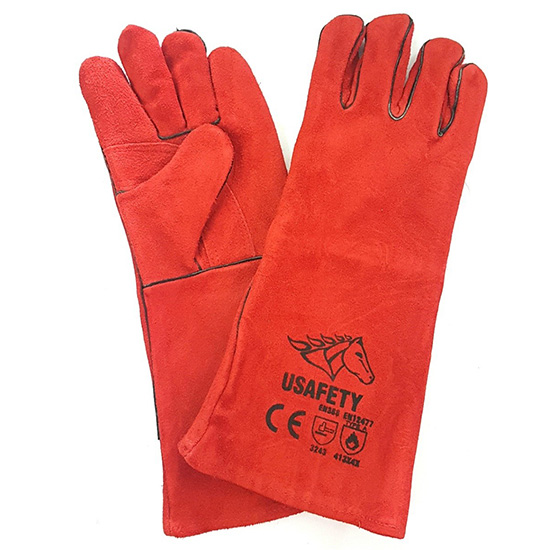
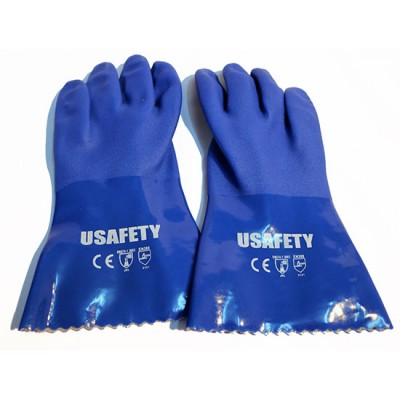
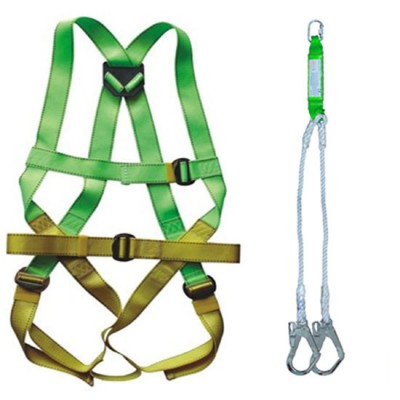
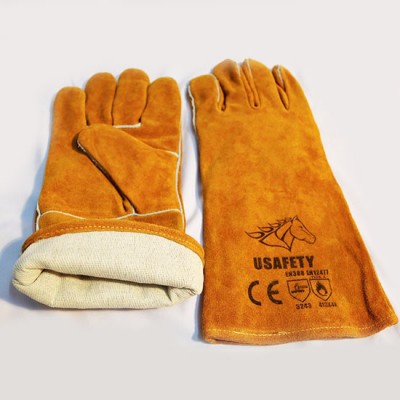
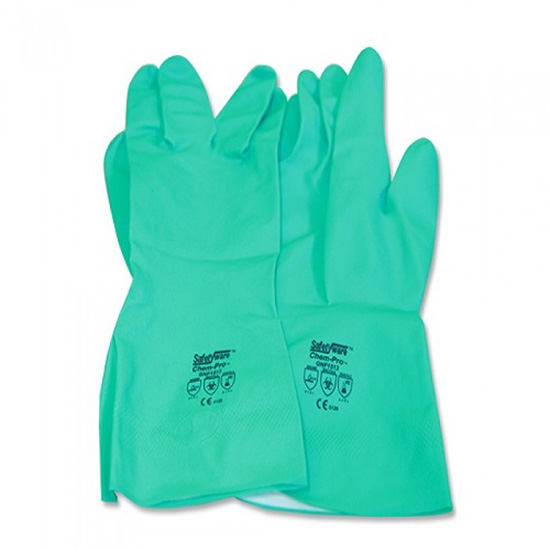
Confined Space Safety Tips – [Quick and Easy for]Confined spaces are dangerous areas where workers must remain vigilant at all times. This doesn’t just apply to workers operating in a confined space – monitoring teams must be on hand to implement emergency procedures where necessary.So what is a confined space? Any area that isn’t designed to be occupied, has limited entry and exit points, and may present environmental hazards qualifies. This may include manholes, caves, and areas like the interior of industrial tanks and units.Follow our confined space safety tips to ensure your employees stay safe and face minimal risk when operating in these dangerous environments. We also have a more comprehensive Confined Space Training video if you want to check that out.1. Establish control of hazardous elementsThe first step is to account for all hazards present and ensure that these can be controlled or eliminated at all times. These may include:Toxic gases such as hydrogen sulfideFire hazards such as combustible gases and exposed live wiresUnstable physical elements, like rocks or rubble that could cave inWater that may enter the confined spaceUnstable and breakable surfaces in a partially enclosed spaceOSHA defines a permit-required confined space as an area that:Features environmental factors that may create or contribute to a hazardous atmosphereHas the potential for a cave-inIt has an internal configuration that risks a worker falling into a further, smaller space below (from which they may be unable to escape).If you’re working in a confined area, you can keep yourself safe by receiving proper training, preparing thoroughly, testing your gear, and maintaining constant communication. 2. Monitor the confined space entryThe entry should be monitored at all times by an outside attendant. There should be no time when the entry isn’t under surveillance, and any sign that the confined space entry is being compromised should result in an immediate evacuation.Vigilance is the best way to prevent a fatal incident. In environments featuring the risk of a cave-in, emergency services should be on hand to remove workers from the confined space immediately.3. Remove confined space hazards wherever possibleAnything constituting a health hazard that can be removed should be removed. If it’s possible to provide forced air ventilation that removes harmful gases from the area, this should be used consistently.Additional hazards like electrical elements should be removed or cut off from power sources. Necessary precautions can reduce risk in the atmosphere of confined spaces and allow work to be completed more effectively.4. Monitor atmospheric conditionsA gas detector should be used to ensure the atmosphere is clear. Employees should be equipped with breathing apparatus if there’s a risk of gas levels increasing in these spaces.The detector should be bump tested to identify harmful levels of expected gases in the atmosphere before anyone enters confined spaces. Monitors must be aware of the lower explosive limit for every gas present. The temperature should also be closely monitored to minimize the risk of heat stress.Proper use of monitoring equipment is essential for all confined space operations. Equipment should be tested and calibrated before each entry.5. Use ventilationSelf-contained breathing apparatus should be provided for workers where proper ventilation can’t be ensured. Restricted means of access may mean that providing safe airflow levels is impossible, constituting a health and safety hazard.Workers’ safety can be improved with proper ventilation equipment in spaces where health hazards like toxic gases can’t be adequately limited or restricted. This is common in waste disposal systems. Also, you should know that there are times when ventilation in a confined space might be necessary.6. Assess potential hazards being brought into the areaWorkers may need to bring dangerous equipment into the space for certain jobs. Electrical items should only be brought in where it’s impossible to work without them. Items that create sparks or flames (e.g. welding gear) should only be used where the space can be adequately ventilated.Live items also shouldn’t be used near the space entry wherever possible, as they may represent a safety hazard if gas escapes from the confined space.7. Check PPEPPE (personal protective equipment) should be necessarily designed for the job in question. Safety equipment should never be “doubled up” for jobs it’s not suited for.Goggles, gloves, suits, and other recognized safety equipment should be quality-tested before each job. Health and safety solutions become ineffective if compromised by even a small hole or gap.8. Ensure rescue teams are preparedA confined space is described as unsuitable for continuous occupancy. It can switch from relatively stable to a minor emergency in seconds. Rescue personnel should be on hand at the confined space entry to act immediately if the atmosphere is compromised.Rescue crews should understand the particular order for each type of rescue to ensure that it’s conducted swiftly and to avoid confusion. They should also be provided with all necessary materials to remove personnel inside confined spaces as swiftly as possible without putting themselves at risk.9. Check rescue equipment is working properlyAll elements used in a rescue operation should be safety-tested before anyone enters the confined space. This may include bungee cords and winches used to lower workers into the area and emergency lighting systems.The best way to stay safe is to ensure quality checks have been performed on all items before work begins. This doesn’t just apply to items used in the confined space – every part of the operation should be thoroughly checked and tested.10. Check lighting equipmentLighting confined spaces is often an essential part of work. Any lighting gear requires testing to ensure the following:It won’t present an electrical hazard.It won’t stop working at a critical moment. Faulty lights should be replaced before work begins.It can reach all necessary parts of the confined space. If the lighting solution is inadequate, a new one should be found and installed before work starts.Adequate lighting is essential for workers in confined spaces to work effectively. For example, if workers miss their footing because they can’t see where they’re going, they may tread on an unstable floor area and fall.Proper lighting also reduces the risk of panic if someone goes wrong. Suppose a worker is told to abandon the area because a hazardous material has been detected in the atmosphere. In that case, they must be able to make their way back to the confined space entry swiftly but without rushing. This is much harder if they can’t see where they’re going.11. Maintain contact when personnel are in confined spacesContact should be maintained between personnel inside and outside these spaces. Communication gear should be tested before work starts.Contact should be double-checked regularly. If the worker inside the space tries to communicate with those outside and receives no response, they should leave immediately.12. Be ready to abandon the operationNo work is worth a fatality. If there’s any immediate risk to life, the operation should be abandoned immediately.SummaryIf you’re working in a confined area, you can keep yourself safe by preparing thoroughly, testing your gear, and maintaining constant communication. Hopefully, these confined space safety tips will help get you and your team on the right track.Our final tip: if there’s a question of being unprepared, don’t enter. Go back to the drawing board and establish proper safety practices.FAQWhat are four things that must be in place before you can enter a confined space?Good safety measures include, but are not limited to:PPEGas detectorsAdequate lightingRapid response teamsThere’s no finite number of appropriate safety measures. More is always better.What are the four main dangers of a confined space?Common hazards include:Toxic gasCave-insFall hazardsCombustible elementsWhat is the best control method to use in a confined space?All control measures described above should be implemented. Don’t forget that constant communication is essential.What three requirements must be met for a space to be considered a “confined space” which would require a permit?According to OSHA, any one of the following confined spaces requires a permit:Possibility of a hazardous atmosphereRisk of cave-inThe interior represents a fall hazard for entrants